Certificates of analysis (CoA)
On saleLOT #FG20250304
4 Mar 2025 · Janoshik
RT-3
Research peptide studied in a preclinical metabolic context.

RT-3
10 mg · 94,00 €
They received their order
Photos sent by our customers when their parcel arrived.
Description
RT-3 is a synthetic peptide studied in the laboratory in the context of metabolic research. It is used as a research reagent for the study of metabolic pathways in vitro. Supplied lyophilised with an independent certificate of analysis. Intended exclusively for in vitro scientific research — not for human consumption, diagnosis or treatment of any disease.
Research peptides — Research Use Only
- Not for human consumption
- Not for the diagnosis, treatment or prevention of any disease
Related products


Reconstitution calculator
Pre-filled for this peptide. Adjust the water added and target dose to get the volume to draw.
Calculation result
Draw the syringe to
40
units
Volume
0.4
mL
Concentration
5
mg/mL
Draws / vial
5
Level on a graduated syringe 1 mL (100 U)
This vial lasts 5 weeks
Syringe size
Target dose
the amount of peptide targeted
2 mg
2 mg = 2,000 mcg (µg)
Vial dosage
total peptide mass, in mg
10 mg
Bacteriostatic water
reconstitution volume, in mL
2 mL
RT-3 — Research protocol
Triple GLP-1/GIP/Glucagon agonist
- Dose (study protocol)
- 2 → 4 → 8 → 12 mg (escalation every 4 weeks)
- Frequency
- 1×/week (s.c.)
- Duration (published studies)
- 48 weeks (published trials)
Source : Jastreboff et al., NEJM 2023 (Phase 2, n=338)
Weight dose-response at 48 weeks: 2 mg (-7.2%), 4 mg (-12.9%), 8 mg (-17.2%), 12 mg (-24.2%).
This data comes from published studies compiled for informational purposes for laboratory professionals. No dose is recommended. Not intended for human consumption or animal use.
Read the full analysis RT-3Get your complete protocol
Personalised numeric summary + a printable step-by-step reconstitution procedure. We email it to you as a PDF.
How It Works
1. Concentration
Divide vial amount (mcg) by water volume (mL) to get concentration (mcg/mL).
2. Volume needed
Divide desired dose by concentration to get injection volume in mL.
3. Syringe units
Multiply mL × 100 to get U-100 syringe units (IU).
Example
- 5 mg vial + 2 mL water = 2.5 mg/mL
- Want 250 mcg (0.25 mg)?
- 0.25 ÷ 2.5 = 0.1 mL
- 0.1 mL = 10 units on a U-100 syringe
Research Use Only
This calculator is for research purposes only. Not medical advice.
Common Conversions
- 1 mg
- 1,000 mcg
- 500 mcg
- 0.5 mg
- 250 mcg
- 0.25 mg
- 100 mcg
- 0.1 mg
Syringe Units
- 0.3 mL syringe
- 30 units
- 0.5 mL syringe
- 50 units
- 1.0 mL syringe
- 100 units
Volumetric conversion tool for laboratory handling. Not any human or animal administration advice. Research use only.
Why this research peptide
Metabolic research
Studied in the laboratory as a reagent for the in vitro study of metabolic pathways.
Good solubility
Clean dissolution in aqueous media, suited to in vitro research protocols.
Verified purity
HPLC + mass spectrometry analysis by an independent laboratory, certificate included with every batch.
Lyophilised stability
Lyophilised form stable for up to 18 months at -20°C, for long-term storage in the laboratory.
Discreet logistics
Plain parcel, delivery in 8 days, tracking included and neutral packaging.
What is RT-3?
RT-3 is a synthetic peptide studied in the laboratory in the context of metabolic research. It is used as a reagent for studying metabolic pathways in vitro. Lyophilised product supplied with an independent certificate of analysis, intended exclusively for scientific research — not for human consumption.
Storage & handling
Product intended exclusively for scientific research in the laboratory. Keep in its original packaging until use.
Questions about this product
Who is this product intended for?
Is the product intended for human consumption?
How are batches verified?
What are the delivery times?
What payment methods are accepted?
How should a lyophilised peptide be stored?
Is the certificate of analysis provided?
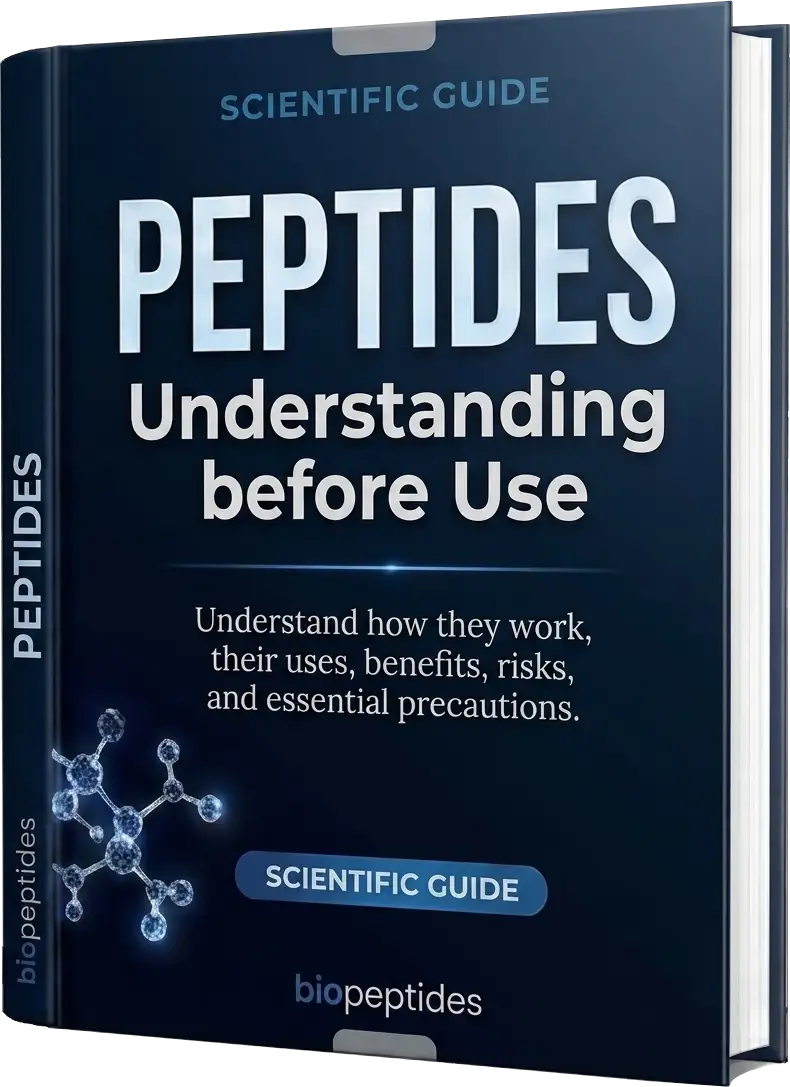
PEPTIDESunderstanding before use
The clear, source-backed guide to understanding how they work, their uses, their benefits, their risks and the essential precautions — before you get started.
- How peptides really work
- Their uses and what the research says
- Reported benefits vs marketing promises
- Risks, limits and essential precautions